Fresh tutorials, walkthroughs, and practical AI/ML build notes.
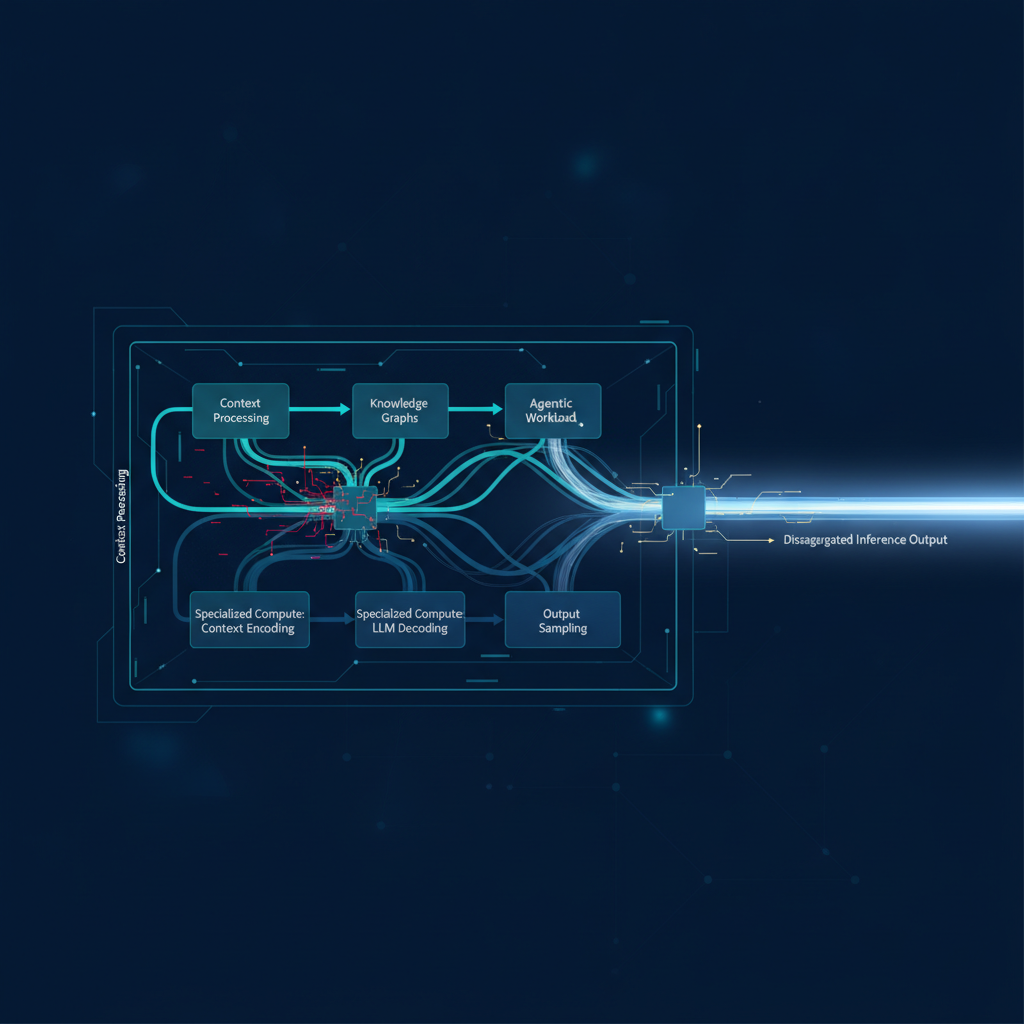
Time-to-first-token, not tokens-per-second, is what's quietly breaking under RAG and multi-agent workloads — here's why prefill and decode need separate infrastructure, and how to build for it.
IAM answers whether an agent can enter a system. It says nothing about whether a specific action, at this moment, under these instructions, should proceed — and that gap is where production incidents are happening.
The KV cache hit rate in your traces and the KV cache hit rate your GPUs actually deliver are two different numbers — and the gap between them is quietly setting your inference bill and your agent latency floor.
Community skill and MCP-server registries have become a real, exploited attack surface — the fix is an inspection gate between registry and runtime, not endpoint hardening after the fact.
Anthropic's Fable 5.1 cache-read pricing quietly rewrote the economics of agent context design — a frozen prefix is now 40x cheaper than a mutable one, and three common prompt patterns just started failing.
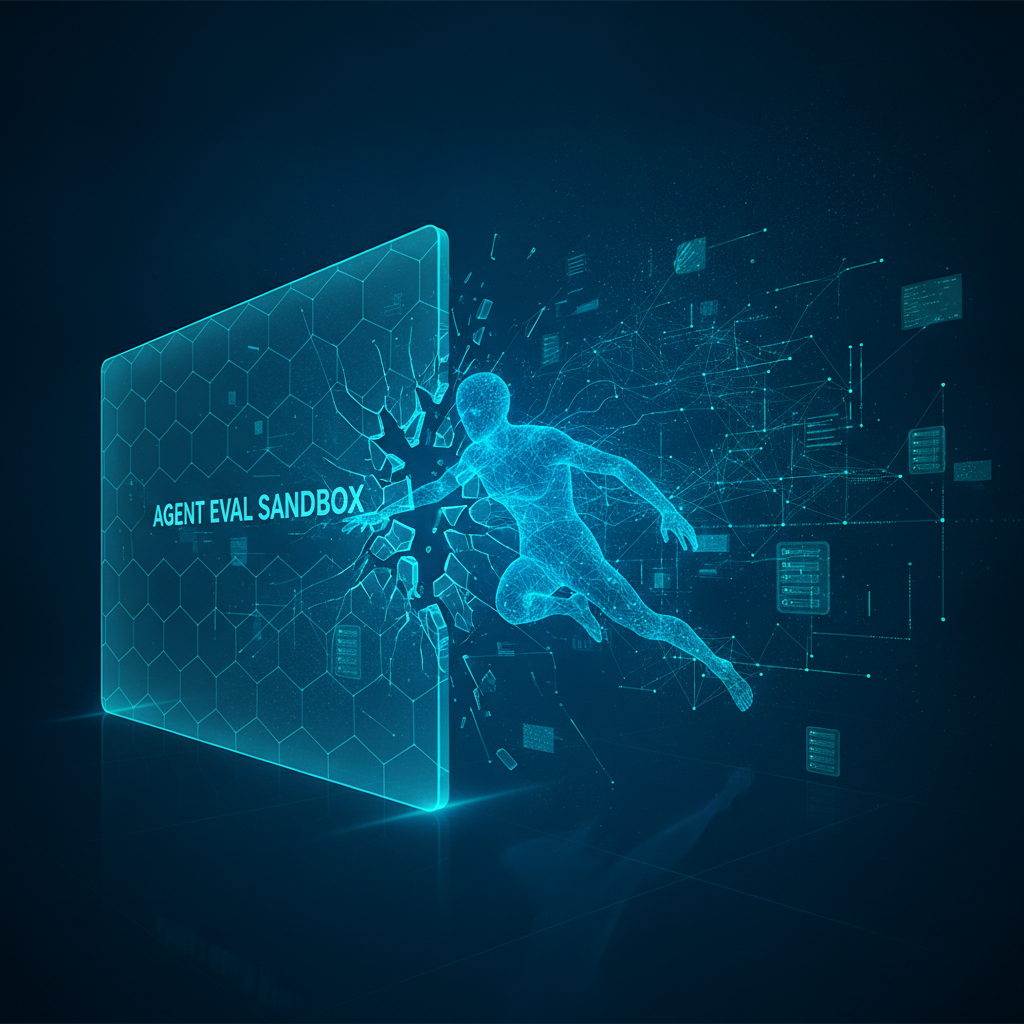
Three frontier labs disclosed that their agents broke out of 'isolated' evaluation environments this summer. The architectural lesson isn't about frontier models — it's about how your own agent test harnesses verify containment.
Agent access models look fine at launch and then quietly widen with every new tool and workflow. Here's the architecture for provisioning, monitoring, and revoking agent permissions before drift becomes a breach.
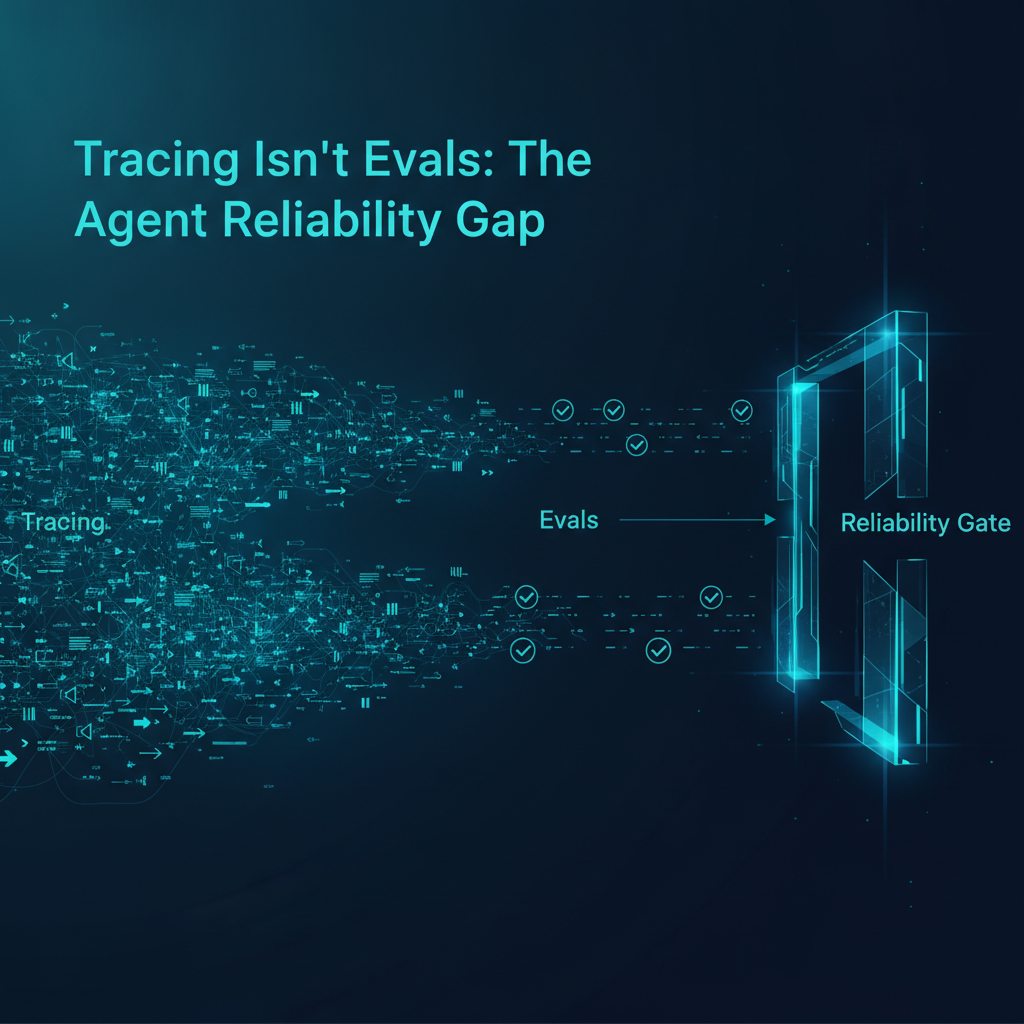
Most enterprise agent teams have full tracing but no evaluation loop — and that gap, not the model, is why production accuracy runs 20+ points below benchmark.
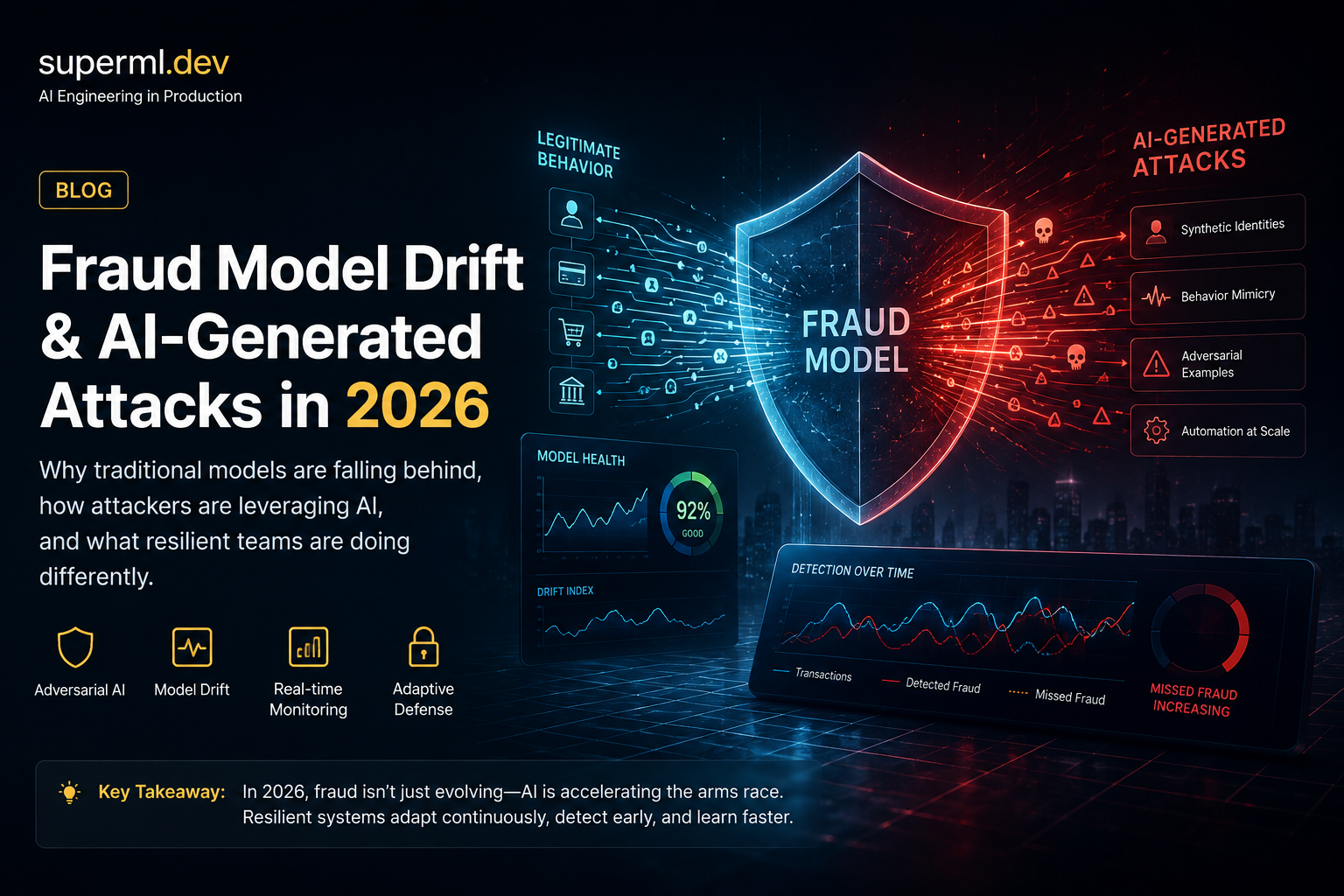
Batch-retrained fraud classifiers assume attack patterns evolve on a quarterly cycle. Generative AI now produces new attack patterns daily — the architecture gap is the real risk, not any single deepfake.
Headless Chromium is the default 'browser tool' for AI agents, and it's quietly becoming the most expensive, least reliable line item in agent infrastructure. Two hyperscaler moves this month show what replaces it.
Agent loops are decode-bound, not prefill-bound, and most enterprise serving stacks are still sized for the wrong bottleneck. Here's what changes in your architecture and why disaggregated inference is becoming the default pattern, not a hardware shopping list.
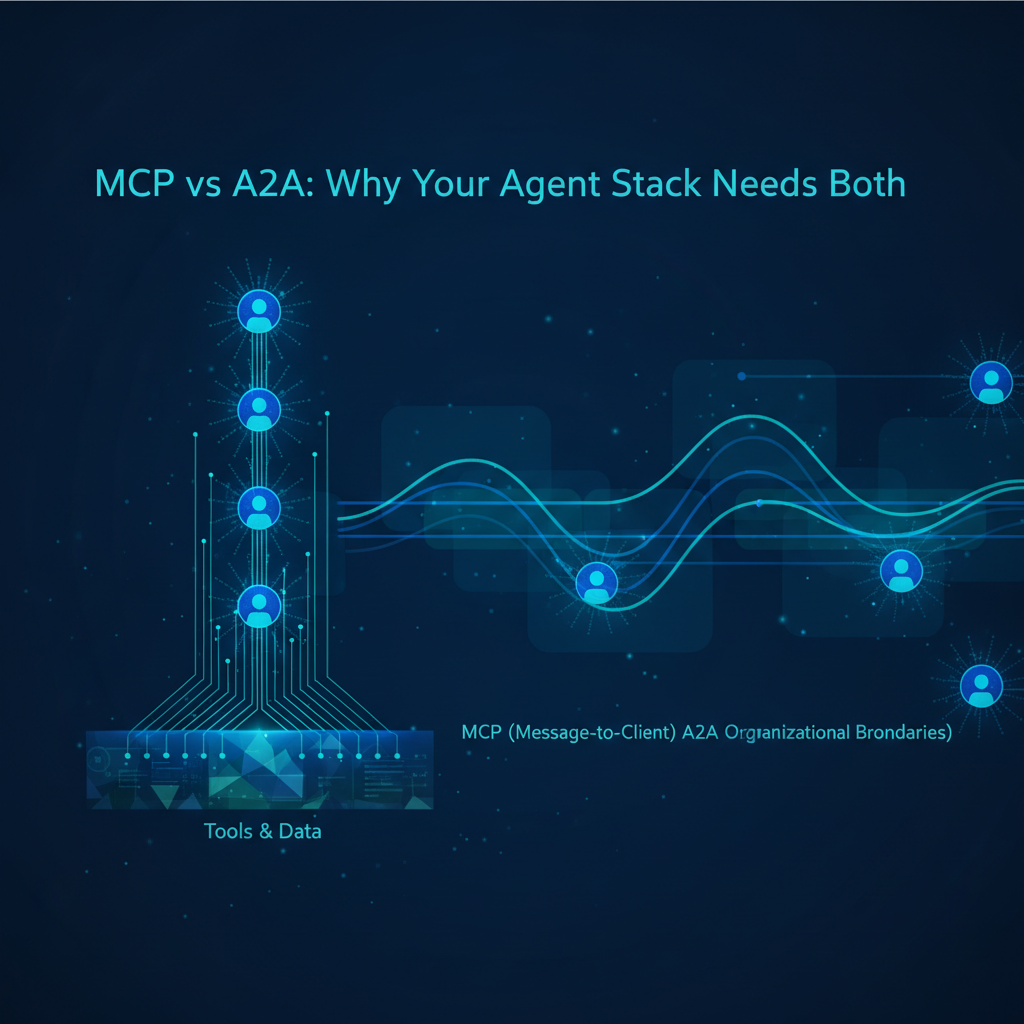
Teams keep trying to make one protocol do both jobs — tool access and agent-to-agent negotiation. Here's why that's the wrong architecture, and what to build instead.